
A container of stainless flanges can leave the works in perfect condition and arrive with a rejection list: a scored raised face, rust in a bore, a crate held at the port because the wood carried no ISPM 15 mark, or a case number absent from the packing list. Packing is the part of the order nobody photographs and everybody argues about.
This guide covers how stainless flanges are protected, crated and loaded for export, and what a buyer should write into the order so the requirement is enforceable. It is general technical information; the criteria that govern your delivery come from the applicable standard edition, your project specification and a qualified engineer.
Why Packing Belongs in the Specification
Three costs sit behind a badly packed shipment: replacement, because a flange with a damaged sealing face cannot be reworked into a pressure-retaining part; schedule, because replacing two pieces from a crate means a new production slot; and delay at the border, because one non-compliant crate can stop an entire container. None of that is a manufacturing defect. A supplier not told to protect the machined face, use treated wood and photograph the load will pack to their own default: fine for a domestic truck, not for a sea voyage.
What the Pack Has to Protect
The sealing face
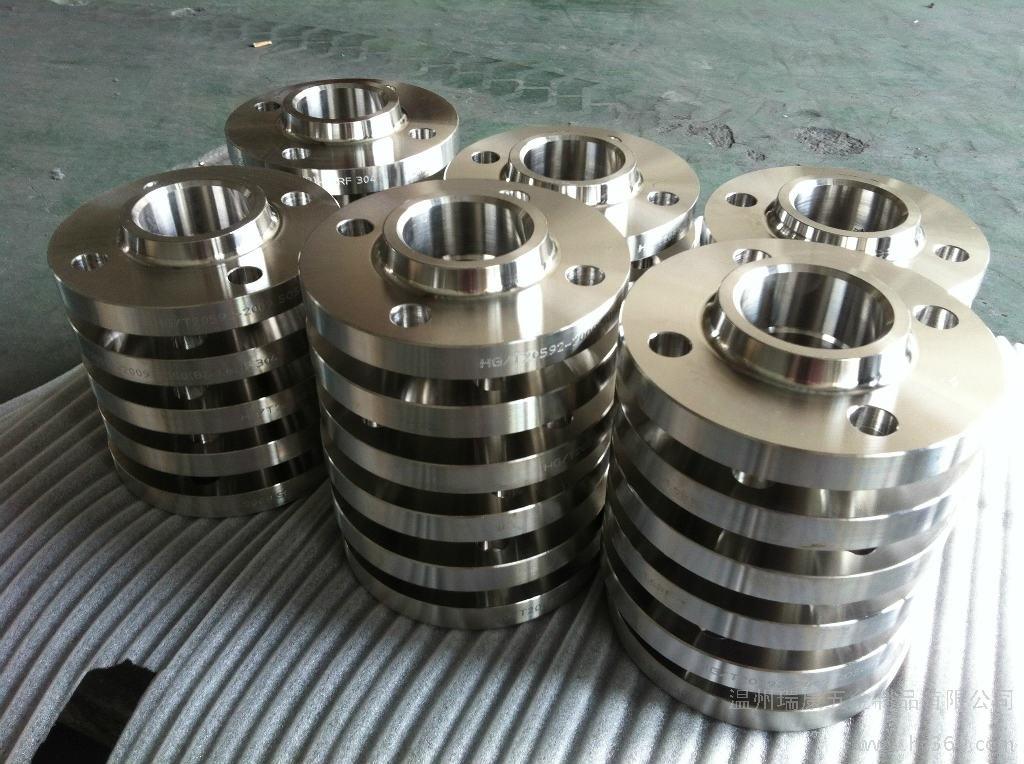
The raised face, flat face or ring joint groove is the only surface whose finish is functionally specified. A gasket seals by being compressed against that band, so a score across it is a leak path, not a cosmetic mark. Covers must be non-metallic, flat, in full contact with the face, and free of adhesive on the seating band. Ring joint grooves are worse: damage to the profile is normally a replacement, not a polish.
Bores, threads and weld ends
Bores collect swarf, grit and moisture. On a weld neck the bore carries the bevel that must match the pipe wall, so a chipped bevel becomes a fit-up problem on site. Threaded and socket weld bores need plugs or caps that survive handling, fitted after cleaning rather than over residue.
Cleanliness, chlorides and iron
Stainless steel is not inert in transit. Austenitic grades are vulnerable to chloride attack, and packaging that stays damp against the surface creates the crevice condition that promotes pitting. Contact with carbon steel, bare wire rope or a dirty floor transfers free iron that later appears as rust staining and a nonconformance report. ASTM A380/A380M treats protection of cleaned surfaces and control of iron contamination as part of the process, not an afterthought.
| Feature | What the packing must do | What goes wrong without it |
|---|---|---|
| Raised or flat face | Full-face non-metallic cover, no adhesive | Scores; leak at start-up |
| Ring joint groove | Profile-locating cover, no load on groove | Damage beyond rework |
| Weld end and bevel | Bevel protector plus bore cap | Chipped bevel, rusted bore |
| Threads and sockets | Plugs fitted after cleaning | Grit; damaged first threads |
| Machined surfaces | No metal-to-metal or carbon steel contact | Iron staining read as wrong grade |
| Whole part | Dry pack, no standing moisture | Condensation, chloride pitting |
Matching the Pack to the Flange and the Route
Packing format should follow size, weight and handling reality at destination rather than habit. A carton that suits the works is useless if the receiving bay has no forklift; a sea-worthy crate is overkill for a courier sample.
Cartons and pallets
Small-bore flanges travel well in double-wall cartons with individual face protection and a moisture barrier. The weakness is compression: cartons stacked without a pallet base deform and flanges begin bearing on each other, so specify palletisation, stack height and strapping.
Wooden cases
Above the weight one person can handle comfortably, a case is the practical answer because it lets the load be braced against the case rather than the flange. Support the part on its outside diameter or hub, never on the sealing face, and block it against sliding and rotation. The base must allow lifting without the forks touching the contents.
| Packing format | Typical application | Point to confirm in the quotation |
|---|---|---|
| Carton with face protectors | Small sizes, samples, air freight | Carton grade, palletisation, stack height |
| Wooden case | Large or heavy flanges, long sea routes | ISPM 15 mark, bracing, lifting points |
| Palletised load | Repeat orders, mixed sizes by heat | Pallet type, strapping, per-pallet labels |
| Bulk with dunnage | High-volume standard sizes | Blocking, lot separation, load photos |
Wood Packaging and ISPM 15
Solid wood packaging is regulated. Under ISPM 15, crates, pallets, dunnage and load boards must be pest-free, debarked and either heat-treated or fumigated, then marked with the IPPC logo, the two-letter country code, the unique facility number and the treatment code, HT for heat treatment and MB for methyl bromide. The USDA’s APHIS wood packaging programme states plainly: shipments containing non-compliant wood packaging material will not be allowed to enter the country, and an Emergency Action Notification follows.
- Plywood, oriented strand board, hardboard, plastic and metal packaging fall outside the wood rules, which is why plywood cases are common on export-critical orders.
- Reused or repaired solid wood still needs treatment and a legible mark.
- The exporter arranges treatment, but the importer carries the delay when the mark is missing or inconsistent with the certificate.
Write the requirement as a sentence: solid wood packaging to be ISPM 15 compliant and marked, or cases to be plywood. Then ask for photographs of the marks with the packing report.
Moisture, Contact and Movement
Sea freight combines high humidity, temperature cycling that drives condensation and long periods without inspection, so the goal is a stable internal environment rather than a sealed one. Desiccant in a lined case, parts dried before packing and ventilation help; wrapping a damp flange in plastic traps moisture against the surface.
Contact matters as much. Wood, plastic and coated separators are acceptable between stainless parts; carbon steel banding, unpainted racks and wire rope through a bore are not. A sling through the bore damages the bore edge, and dragging a case across a yard pushes grit into the pack.
Marking and Documents
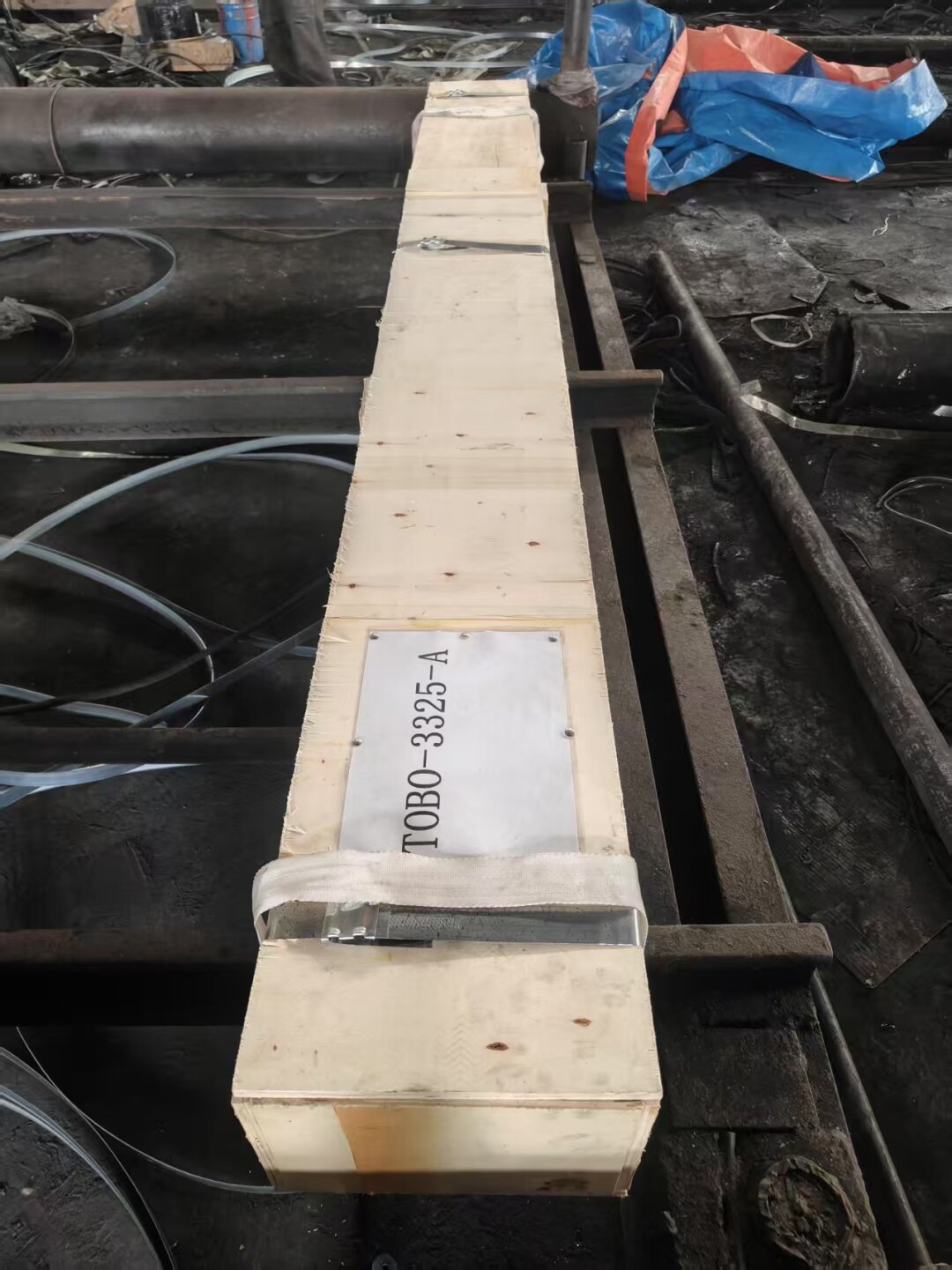
A crate without identification is an anonymous crate. Each case should carry a case number, the purchase order or project reference, gross and net weight, dimensions, the flange description and handling symbols for weight, centre of gravity and slinging points. Case numbers must match the packing list line for line, because that is the only way to find one lot without opening everything.
Inside, a waterproof envelope should hold the packing list, the material certificates for the heats in that case and any inspection records the order requires; outside, a document pouch stops customs opening the case to find out what is in it. ASTM D3951 is useful for a written packing specification, because it treats preservation, packing, unitisation and marking as one requirement set.
What to Write Into the Purchase Order
- Packing format by size range, and the maximum weight of one case.
- Face protection type, including groove protection for ring joint flanges.
- Caps or plugs for bores, threads and bevels, fitted after cleaning.
- ISPM 15 compliance and marking, or plywood cases.
- Separators, and the ban on carbon steel contact and wire rope through bores.
- Moisture control: desiccant, liner, parts dry at packing.
- Case numbering, marking content and label language.
- Documents per case, with certificates linked to heat numbers.
- Photographs of faces and marks before packing, and of the load before sealing.
- Destination handling limits, such as no forklift or a maximum crate length.
Container Loading and the Damage Claim
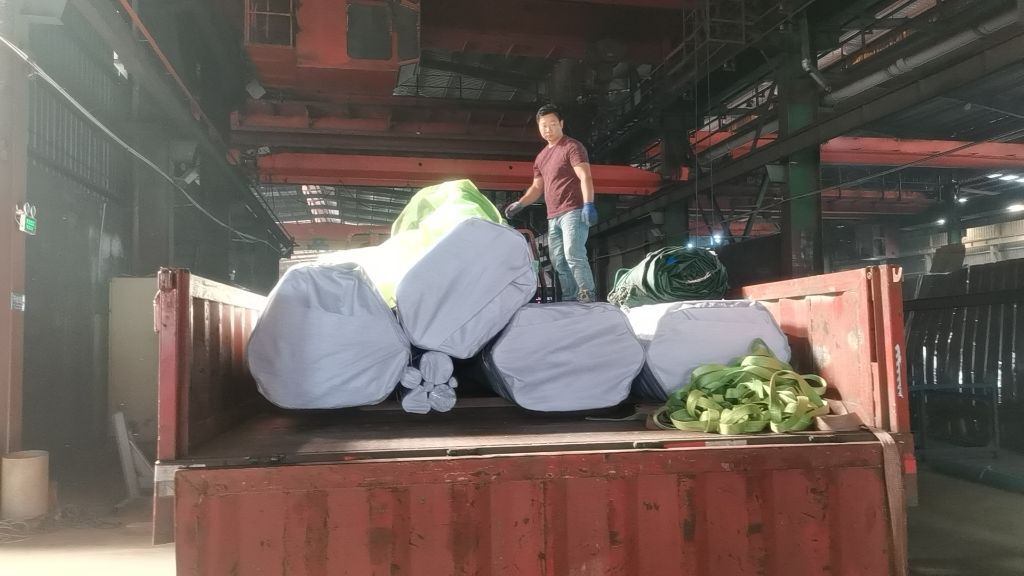
Most transit damage is decided in the last hour before the doors close. A load plan that keeps weight low and evenly distributed, blocks heavy cases and separates lots by case number does more than any amount of wrapping; photographs taken from the doorway are the cheapest insurance available.
Payload, stacking limits and weight verification depend on carrier, route and container type, so confirm them with the forwarder for each shipment instead of carrying forward an assumption. What the buyer controls is the packing specification and the evidence: a hold point before sealing, photographs, and a documented count against the packing list.
If damage occurs, photograph the case, packing and part before anything moves, record case and heat numbers, notify the supplier and insurer within the period allowed by the contract and the Incoterms rule in force, and keep the packaging for the surveyor.
Frequently Asked Questions
Are stainless steel flanges shipped in cartons or wooden cases?
Both are normal. Small sizes travel in cartons, often palletised; large or heavy flanges go into wooden cases that can be braced and lifted. Piece weight, destination handling equipment and route length decide, so it belongs in the quotation.
Do plywood cases need an ISPM 15 mark?
No. Plywood, oriented strand board and other processed panels are outside the requirement because they are not solid wood. Solid wood crates, pallets and dunnage must be treated and marked.
How should machined flange faces be protected?
With a flat, non-metallic cover in full contact with the face, secured so it cannot rub, and with no adhesive on the seating band. Ring joint grooves need a cover that locates in the profile.
What documents should be inside the case?
At minimum a packing list matching the case number and the material certificates for the heats in that case, plus any inspection records, test reports or certificate of conformity the order requires.
Conclusion
Packing is the last chance to protect a flange and the first thing examined when something goes wrong. The points that decide the outcome are unglamorous: a face cover that stays in contact, a case that supports the part on its diameter, wood with a legible ISPM 15 mark, and a case number that matches the packing list.
Specify those points and require photographs at the hold points, and the delivery arrives as a set of parts rather than a set of questions. Final acceptance criteria remain with the applicable standard edition, the project specification and a qualified engineer; the guidance here is general procurement information, not a substitute for either.
If you are preparing an export order and need packing, marking and documentation defined against your project requirements, send the flange schedule and destination handling constraints to our team through the contact page. We quote the weld neck flange range, the blind flange range and the slip-on flange range against the packing specification you intend to inspect. Our flange inspection guide covers the checks that follow unpacking.